Why Employee Queues Keep High-End Sales Floors Calm
In luxury retail, customers should not line up. The queue belongs behind the scenes, where it protects service quality and keeps the floor predictable.
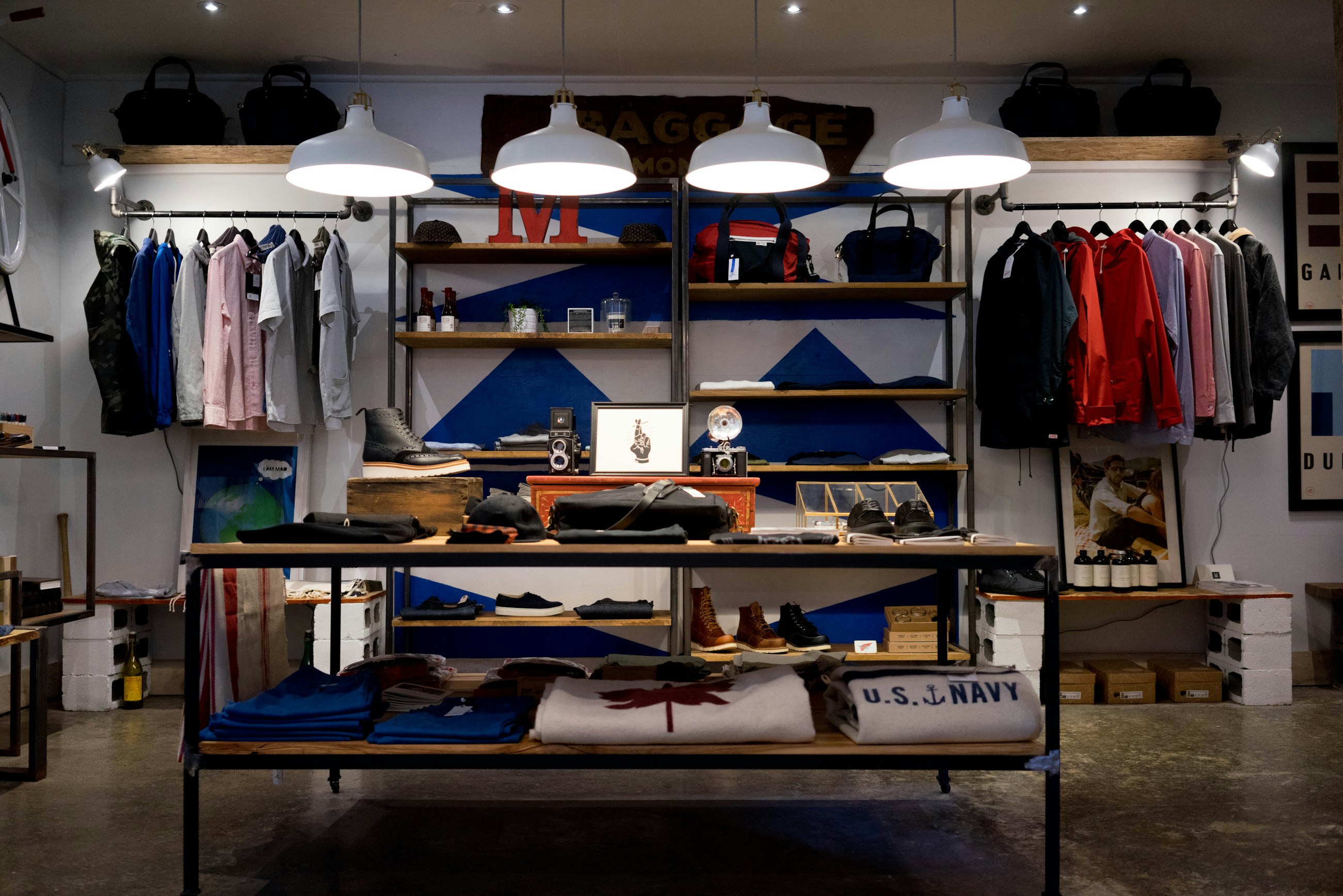
High-end retail is built on an expectation: the client should feel noticed immediately, even when the store is busy. The mistake is thinking the solution is to hide wait time by pretending it does not exist. The better approach is to move the wait from the customer to the team. Employees wait in a structured rotation, so the floor stays calm and the service standard stays consistent.
Research on waiting shows that the experience of waiting carries a psychological cost even when the clock time is short. The cost is higher when the wait feels uncertain, public, or unfair. That is a direct threat to luxury positioning. If a client senses a queue, the brand promise is already discounted. The goal is not to eliminate the queue, but to relocate it.
What changes when employees queue instead of customers
- Clients arrive to a ready staff member, not a line, preserving the high-touch experience.
- Managers can rebalance coverage quietly without visible friction or “queue anxiety.”
- Employees get fairness and clarity about turn-taking without making customers wait.
Luxury service depends on calm cadence. When an associate is called based on a visible internal rotation, it removes the subtle tension that arises when multiple staff are “hovering” for the same client. The queue becomes a stabilizing mechanism that lowers competition on the floor and improves collaboration behind the scenes.
The luxury twist: eliminate visible waits, keep structure
Studies in retail and service environments show that the perception of waiting changes how people judge the experience. When the customer sees a line, they interpret it as a cost to their time and status. When the employee rotation is invisible but disciplined, the same demand is handled without a visible wait. The queue still exists — it just lives on the sales floor team, not in front of the client.
The result is a quieter floor: fewer interruptions, less jockeying for position, and a service tempo that feels intentional rather than reactive. In practice, this means associates trust that their next turn is coming and spend less energy watching the door or scanning for the next opportunity. That mental space translates directly into better client attention when the turn arrives.
Sources
- The psychological cost of waiting (Journal of Mathematical Psychology, 1985): https://www.sciencedirect.com/science/article/abs/pii/0022249685900203
- Waiting in line at a fashion store: psychological and emotional responses (Fashion and Textiles, 2014): https://link.springer.com/article/10.1186/s40691-014-0021-6
- How do customers respond to waiting shorter or longer than expected? (BI Business Review, 2019): https://www.bi.no/en/research/business-review/articles/2019/08/how-do-customers-respond-to-waiting-shorter-or-longer-than-expected/
Sources are cited for reference. All article text is original and written for Turnable.